documentary photography for people who make a difference
every story needs a witness
honest and close.
bottle caps and wheelchairs
The Sweethearts Foundation, a volunteer-run charity in Johannesburg, has a clever way of helping people who need a wheelchair but can’t afford one. It collects bread tags and bottle tops from schools and families, sells them to recyclers, and uses the money to buy wheelchairs. I photographed the handovers as a volunteer in 2013 and 2014. The foundation used the photographs in its campaigns.
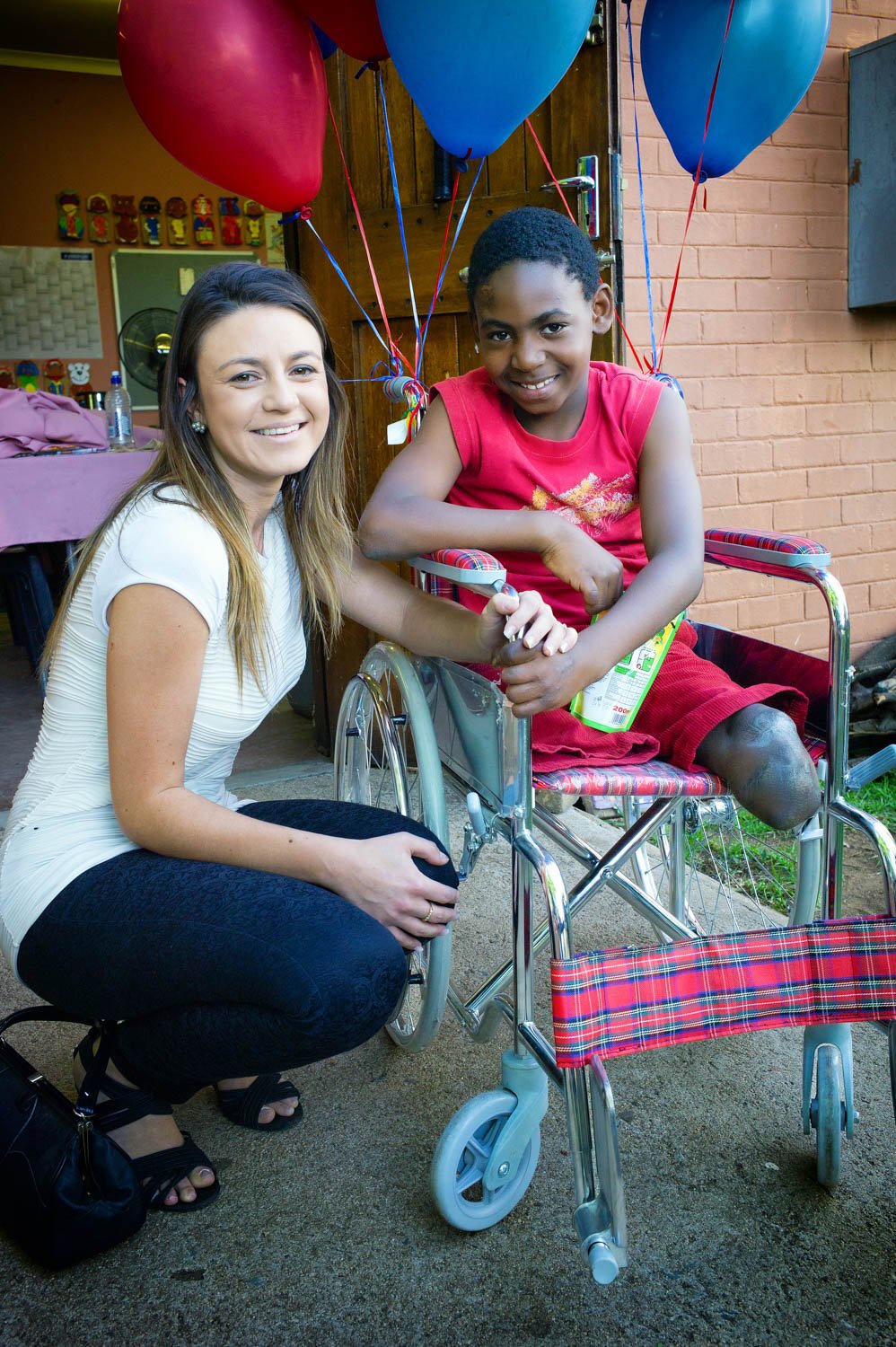
A volunteer with a child in his new wheelchair. Johannesburg, November 2013.
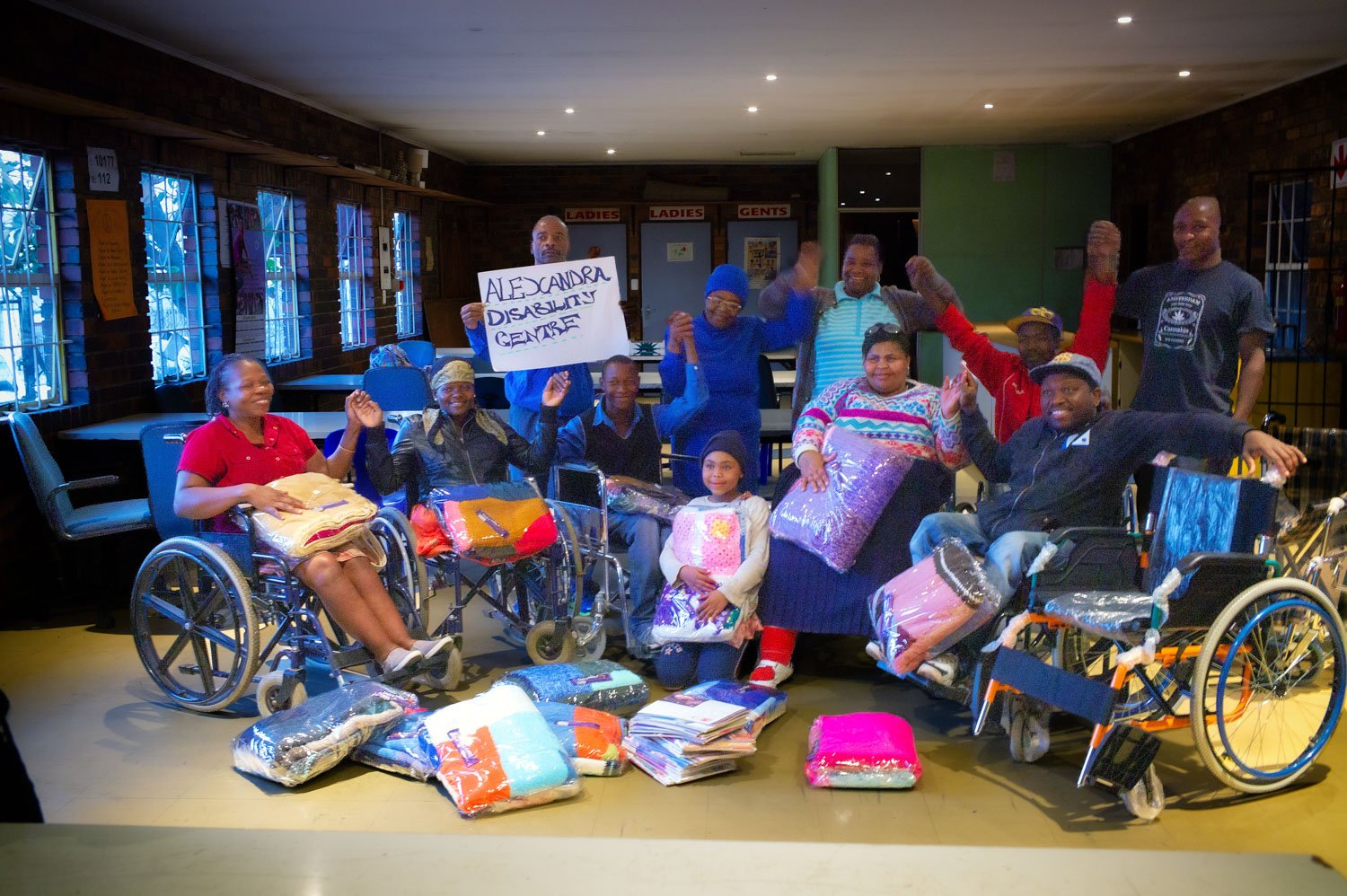
Recipients at the Alexandra Disability Centre. Alexandra, August 2014.
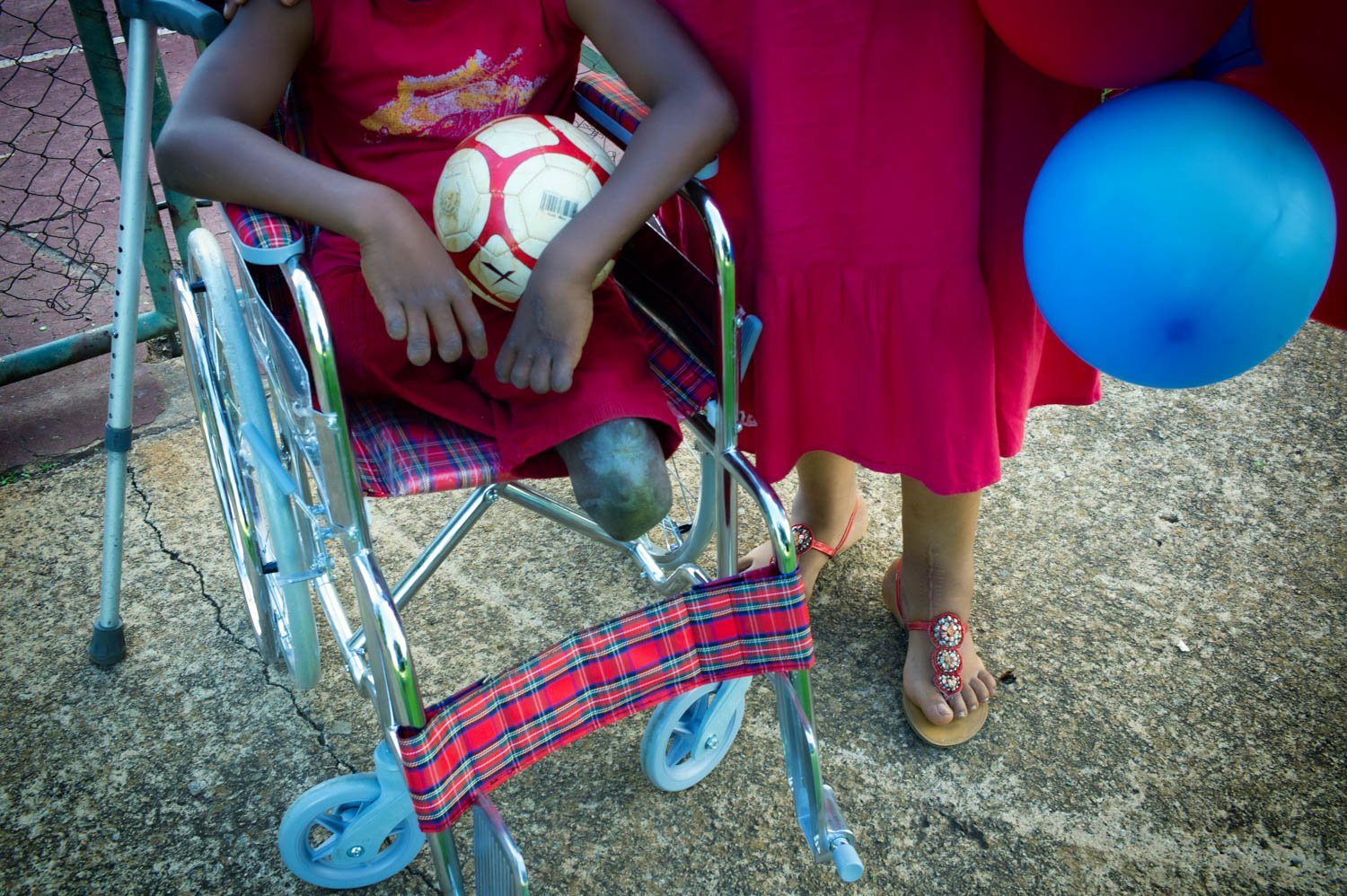
A child with his football. Johannesburg, November 2013.
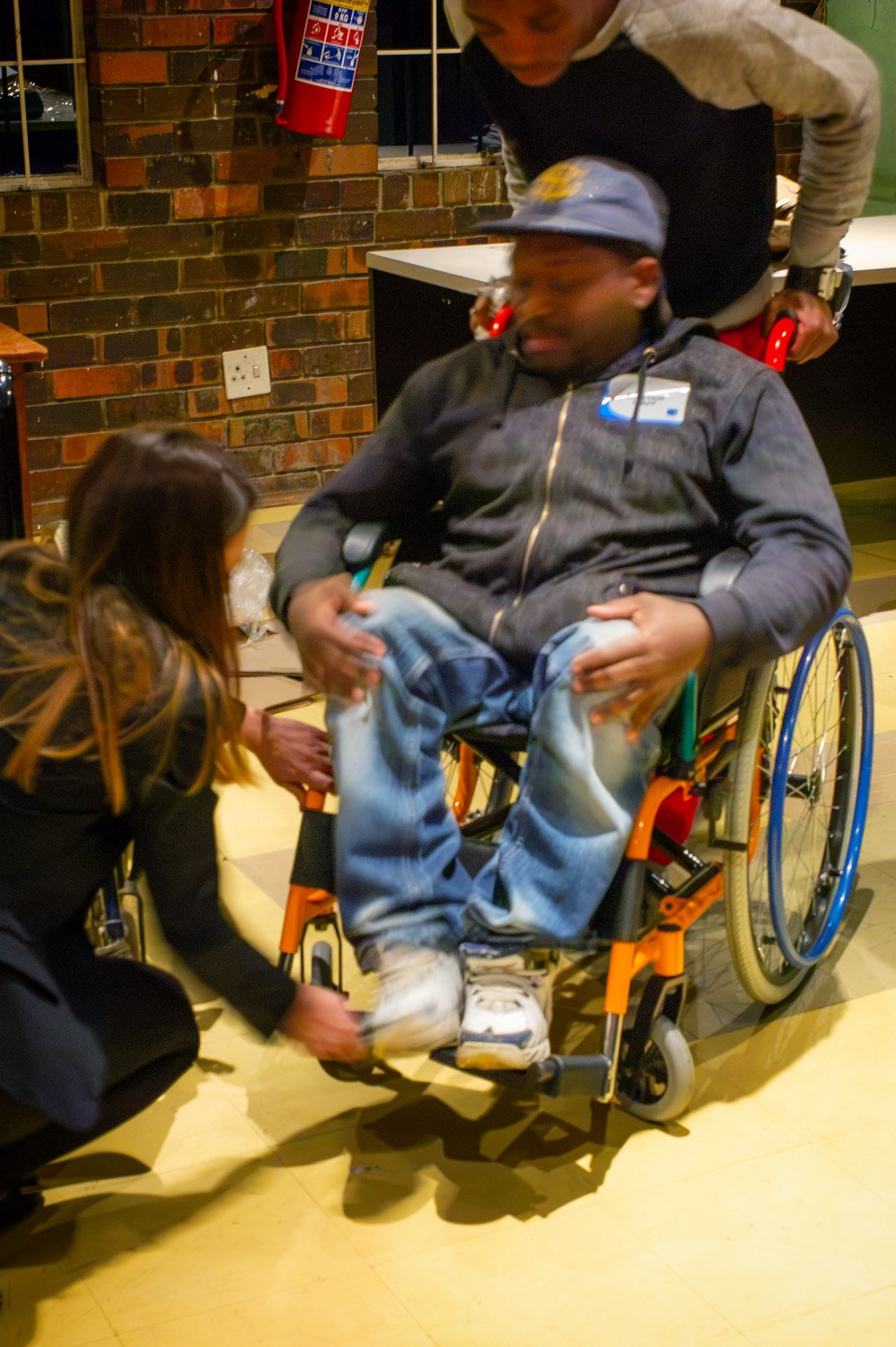
A volunteer fits a new chair. Alexandra, August 2014.
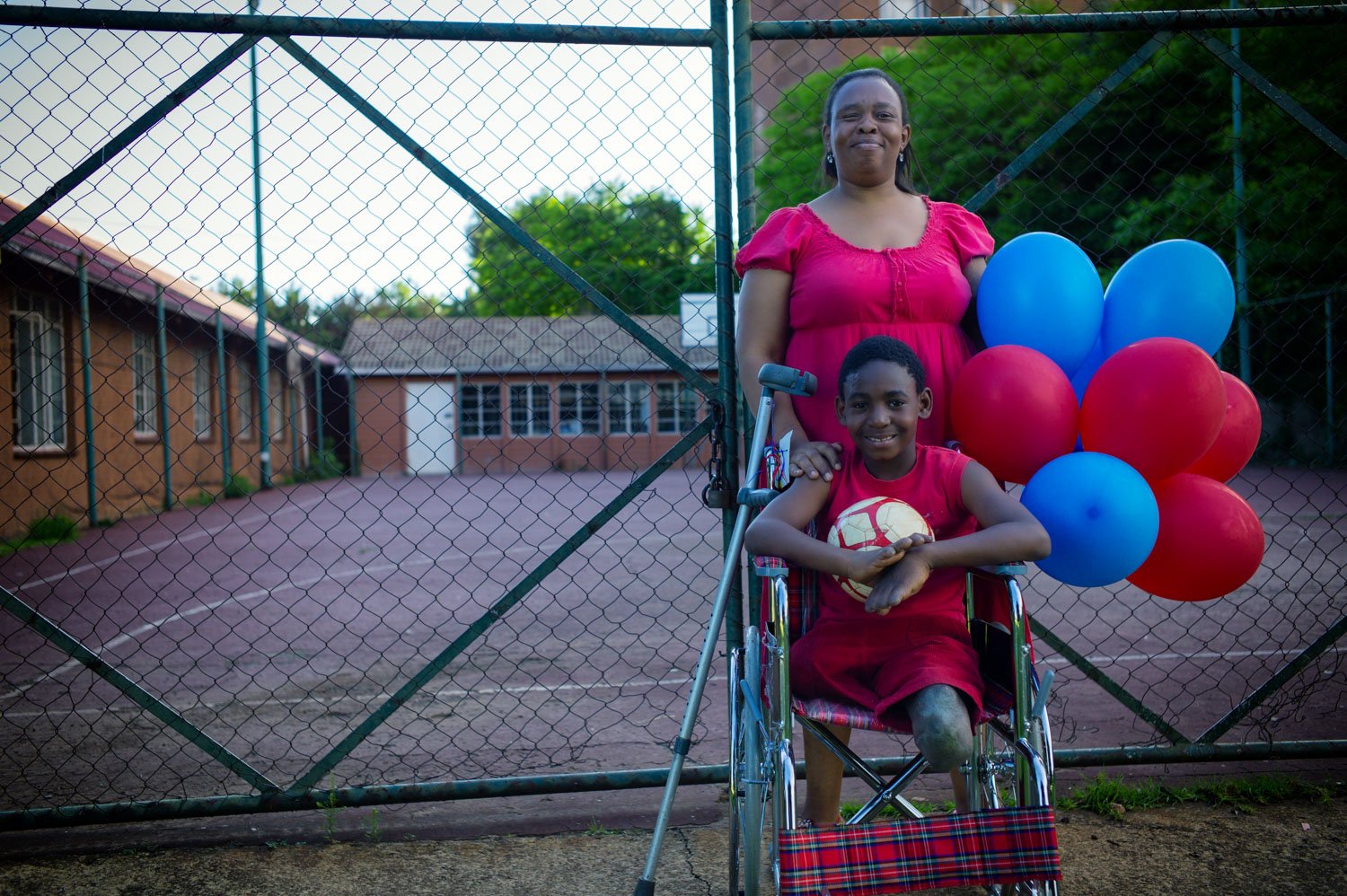
A mother and child after the handover. Johannesburg, November 2013.
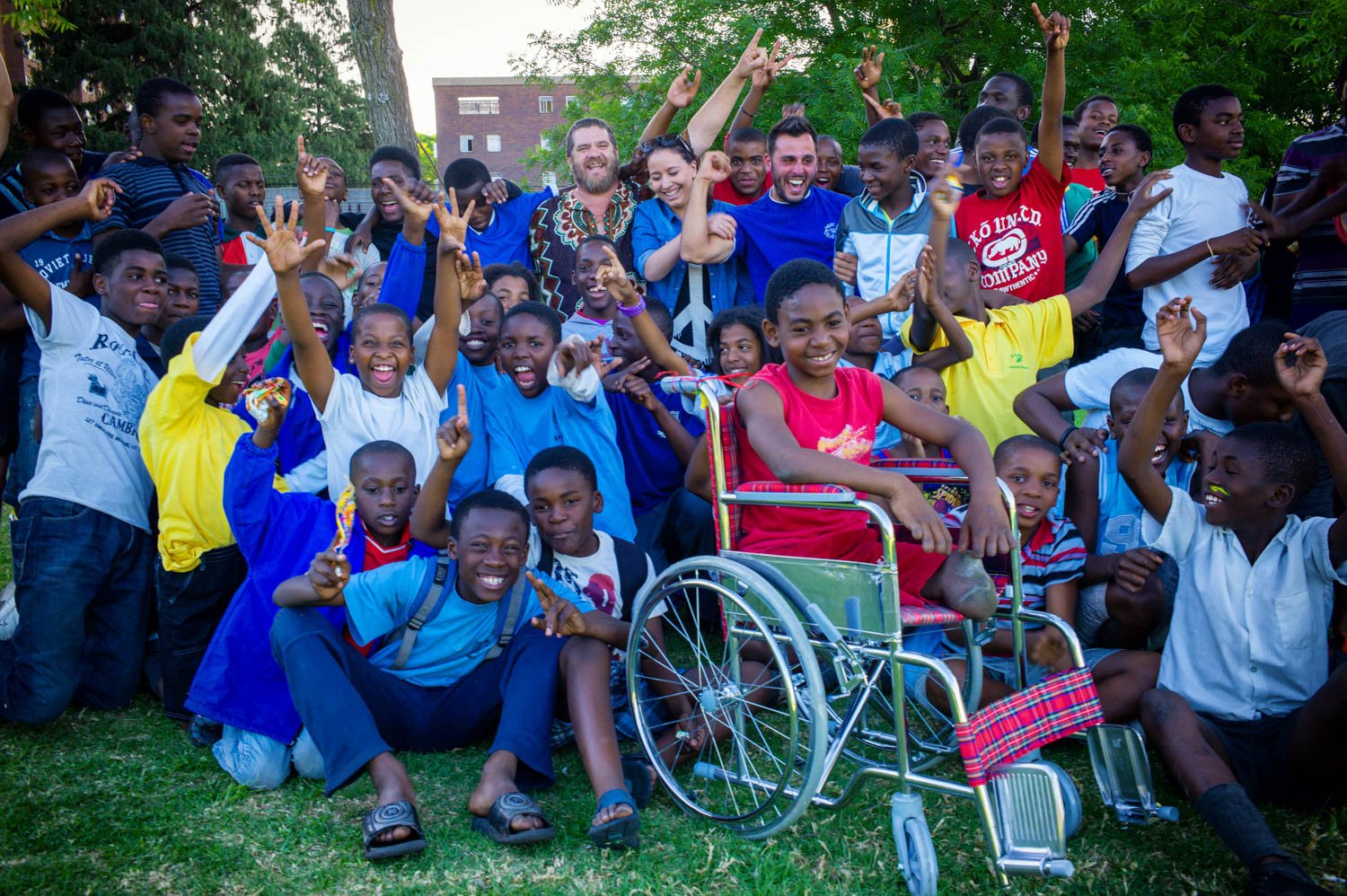
Schoolchildren celebrate with a new wheelchair user. Johannesburg, November 2013.
a clean start
In June 2018, staff from the Park Inn by Radisson hotel in Sandton rolled up their sleeves to clean one of the family houses at SOS Children’s Village Ennerdale.
This was the first SOS village in South Africa, opened in 1984, about 30 km south of Johannesburg.
Some of the children who live there lost their parents. Others were abandoned, or their parents are too sick, too poor or too troubled by addiction to care for them.
My part was photographing the work, and the little residents of the village.
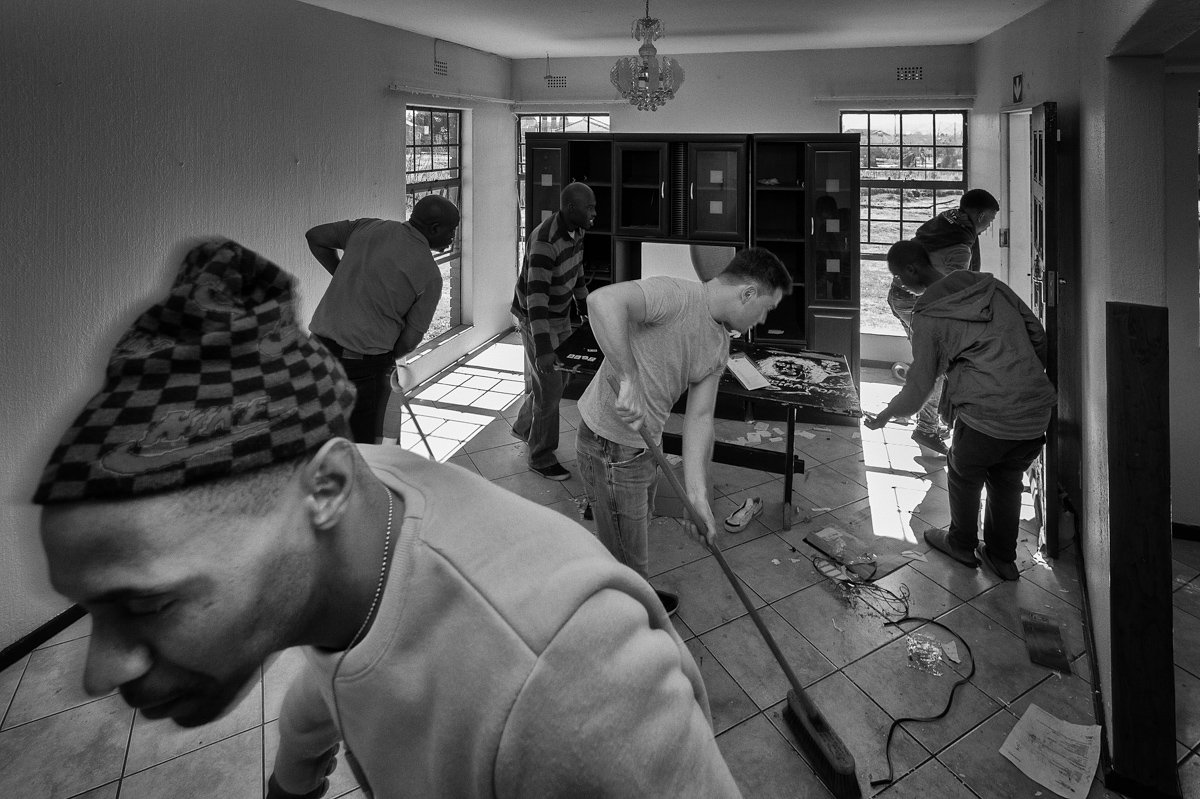
Hotel staff clear out the living room. Ennerdale, June 2018.
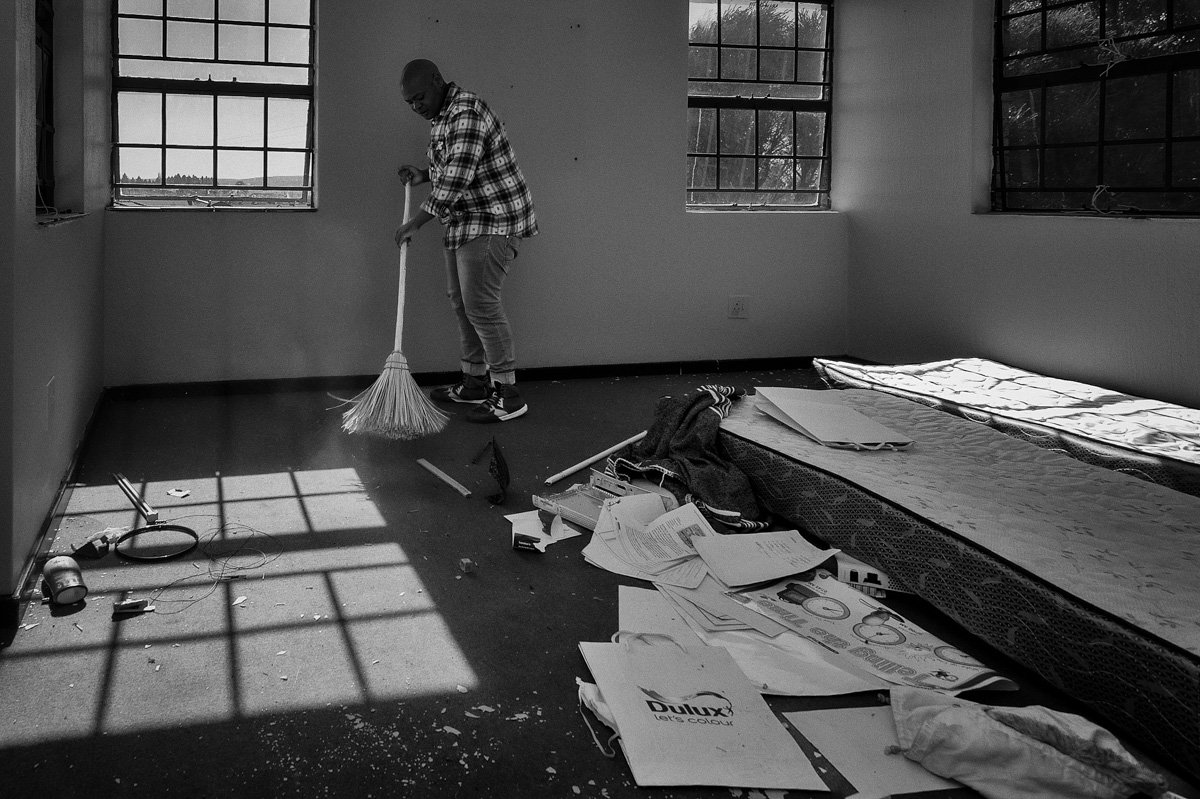
Sweeping a bedroom. Ennerdale, June 2018.
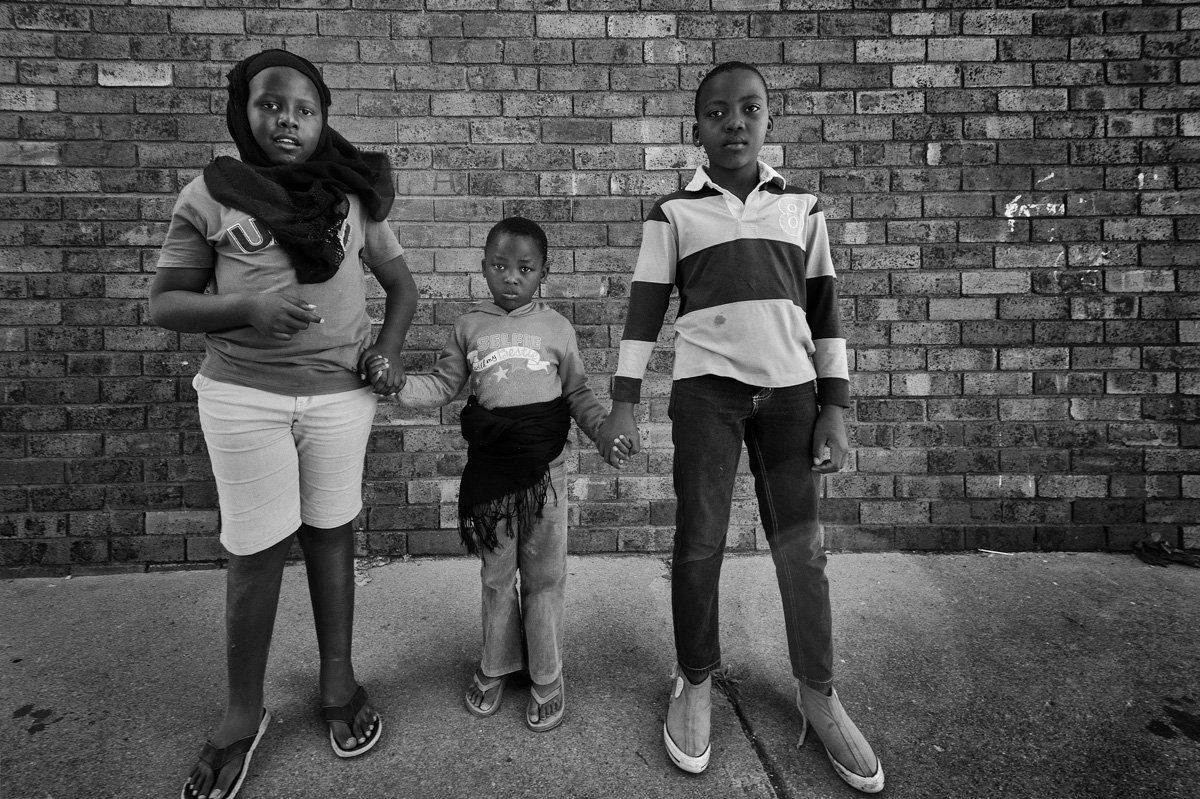
Three children, hand in hand. Ennerdale, June 2018.
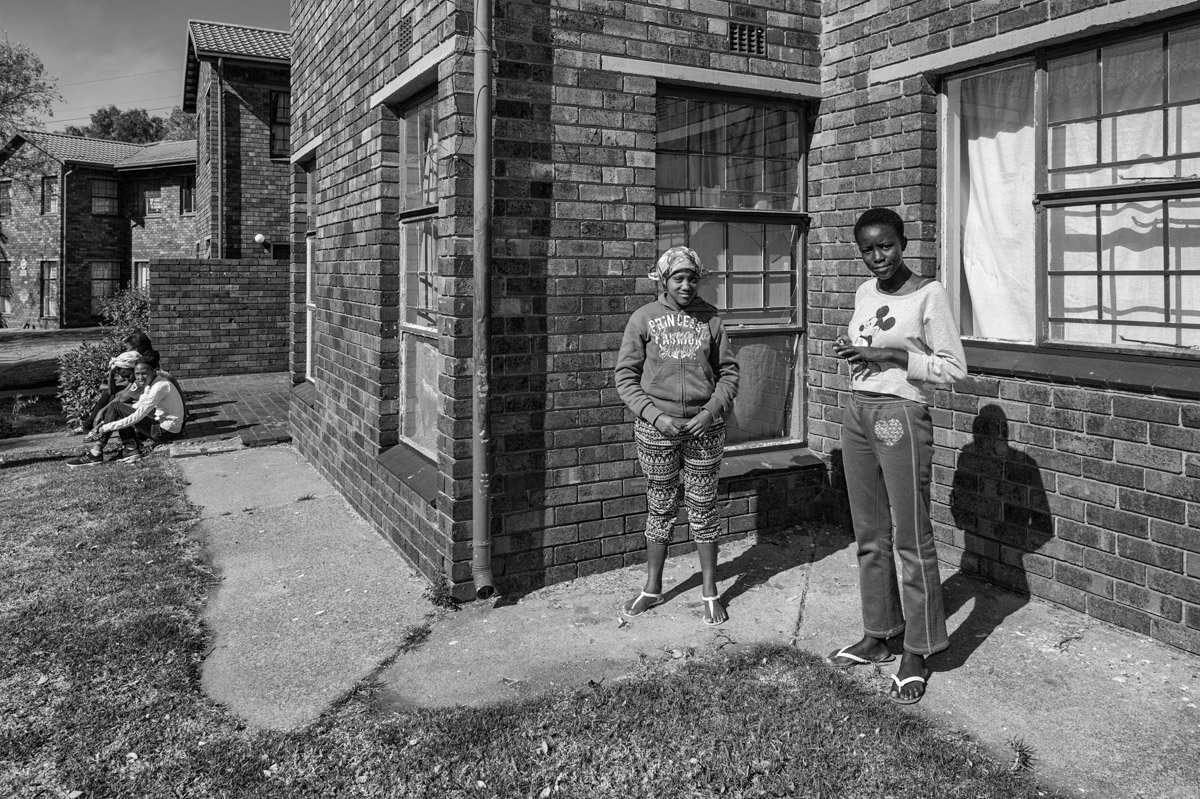
Girls outside their family house. Ennerdale, June 2018.
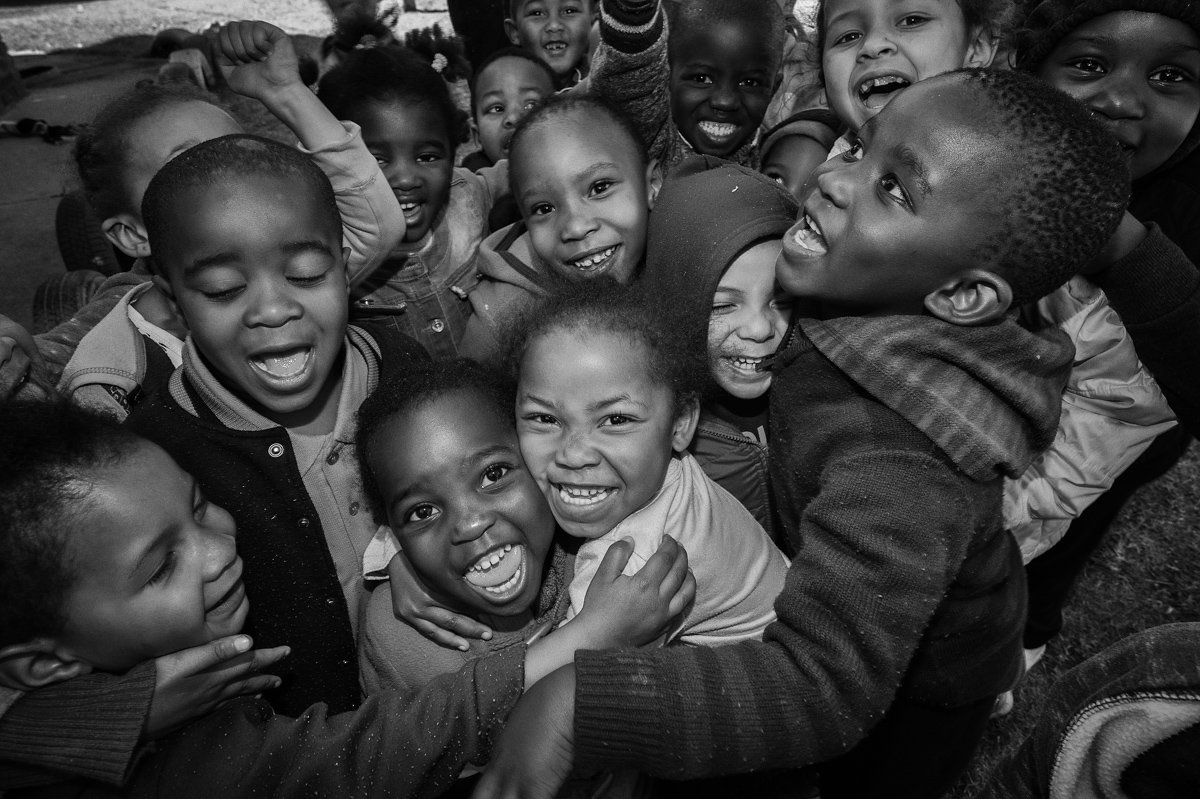
The village’s youngest crowd in. Ennerdale, June 2018.
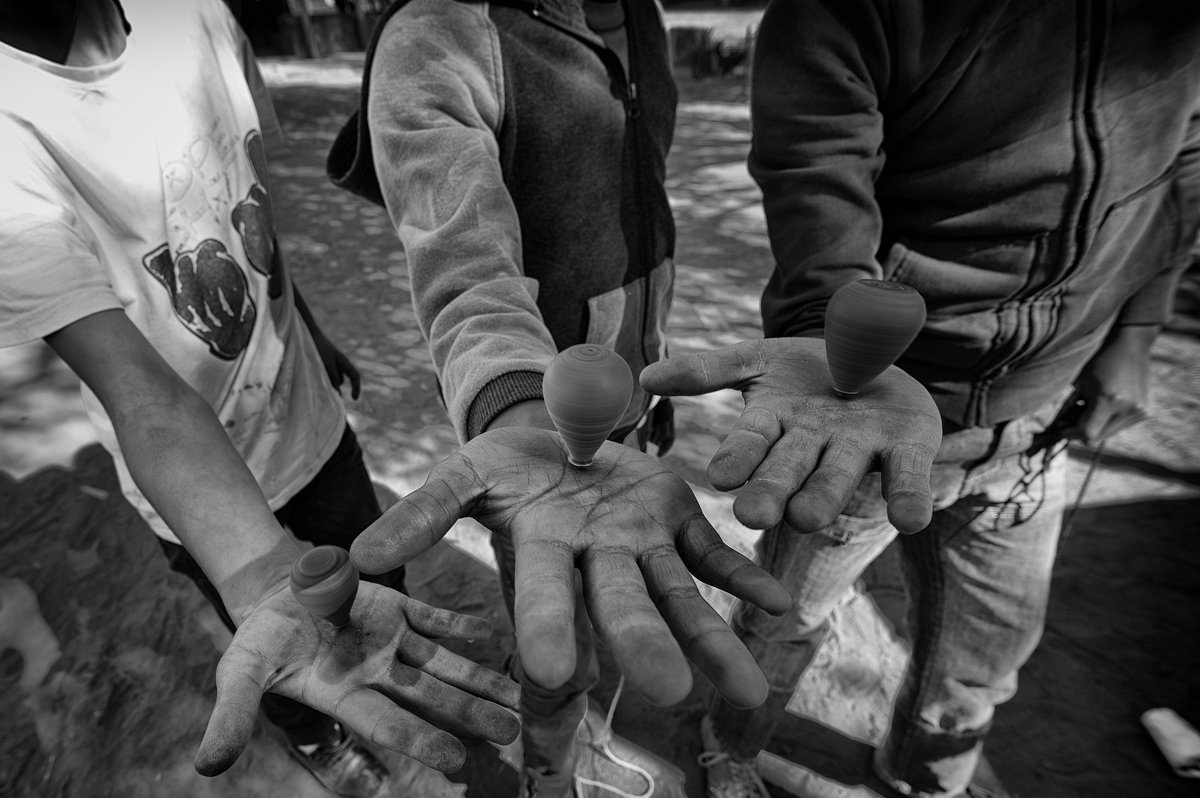
Spinning tops in the palms of their hands. Ennerdale, June 2018.
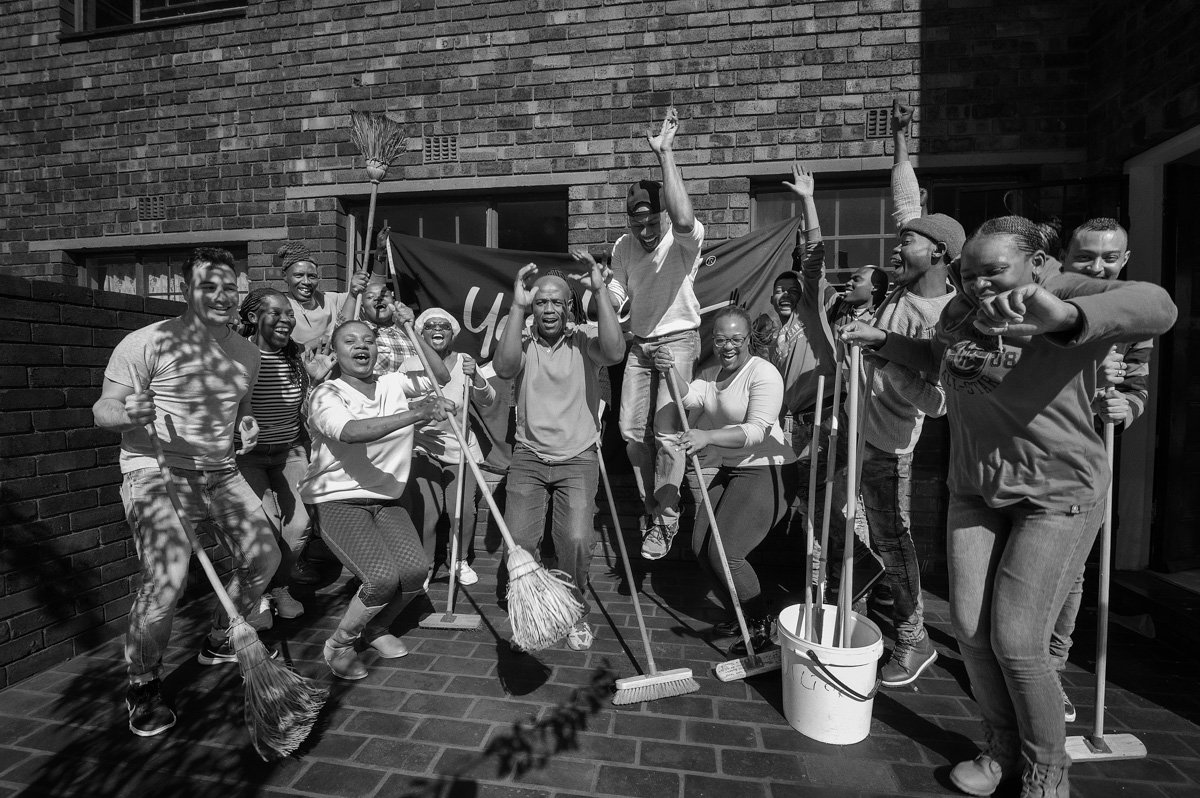
Brooms up: the team celebrates the finished job. Ennerdale, June 2018.
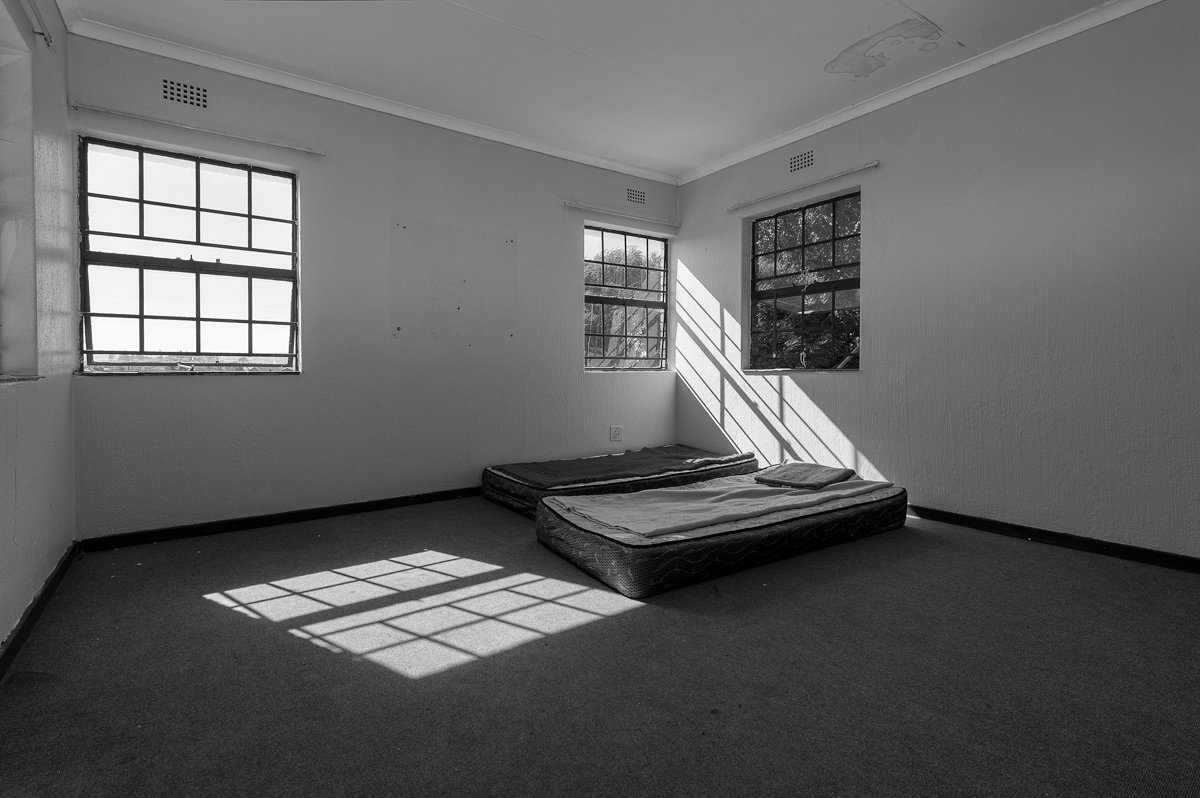
The same room, ready for a fresh start. Ennerdale, June 2018.
timbuktu manuscripts
For centuries, Timbuktu meant the end of the world. Yet an old West African proverb says salt comes from the north, gold from the south, but wisdom is found only in Timbuktu.
Long ago, scholars came from far away to study and copy books here. Families kept these books at home and passed them down. There are hundreds of thousands of them. Some are over 700 years old.
I was there in 2009. That year, a new library opened for them at the Ahmed Baba Institute. South Africa helped to build it.
In 2012, armed groups took the city. When they fled in January 2013, they set fire to the library. Around 4,000 manuscripts were burned or lost. But more than 370,000 were already safe. They had been smuggled to Bamako, the capital of Mali.
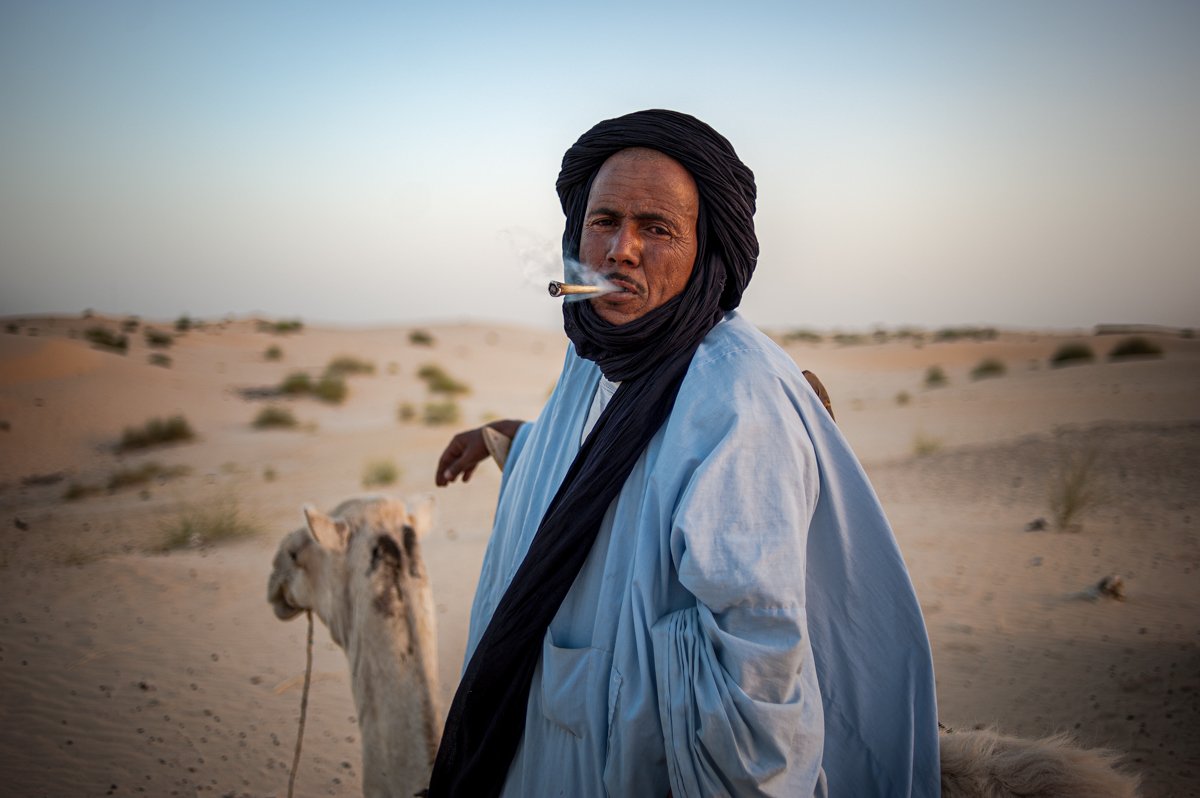
A Tuareg man and his camel at the edge of the Sahara. Timbuktu, 2009.
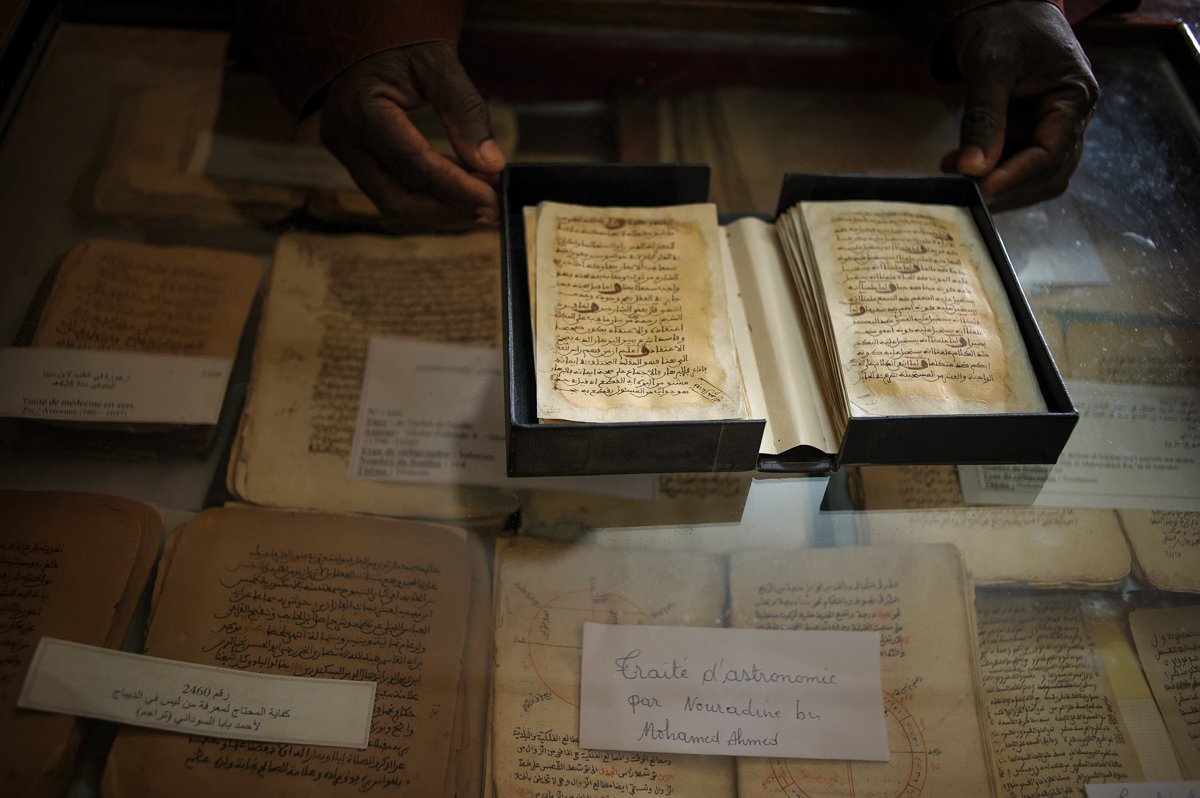
Centuries-old manuscripts, kept in protective boxes. Timbuktu, 2009.
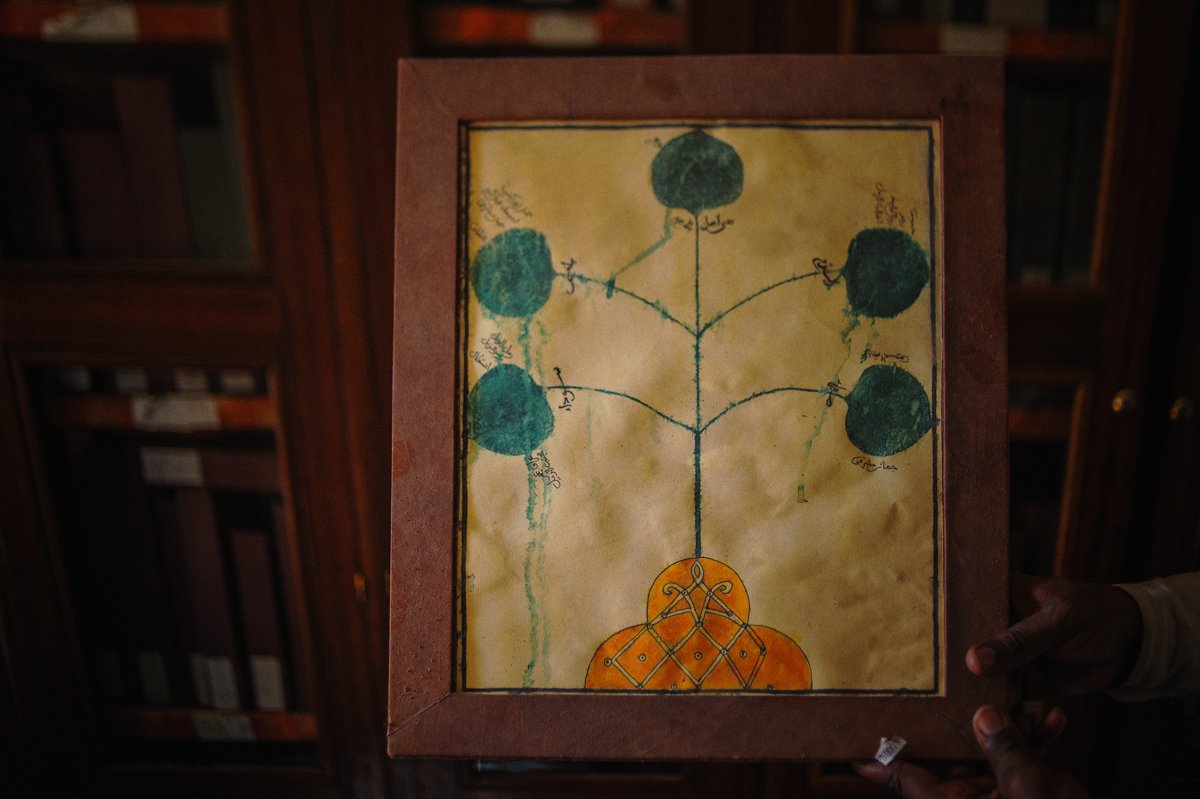
A hand-drawn medicinal plant, its leaves labelled in Arabic. Timbuktu, 2009.
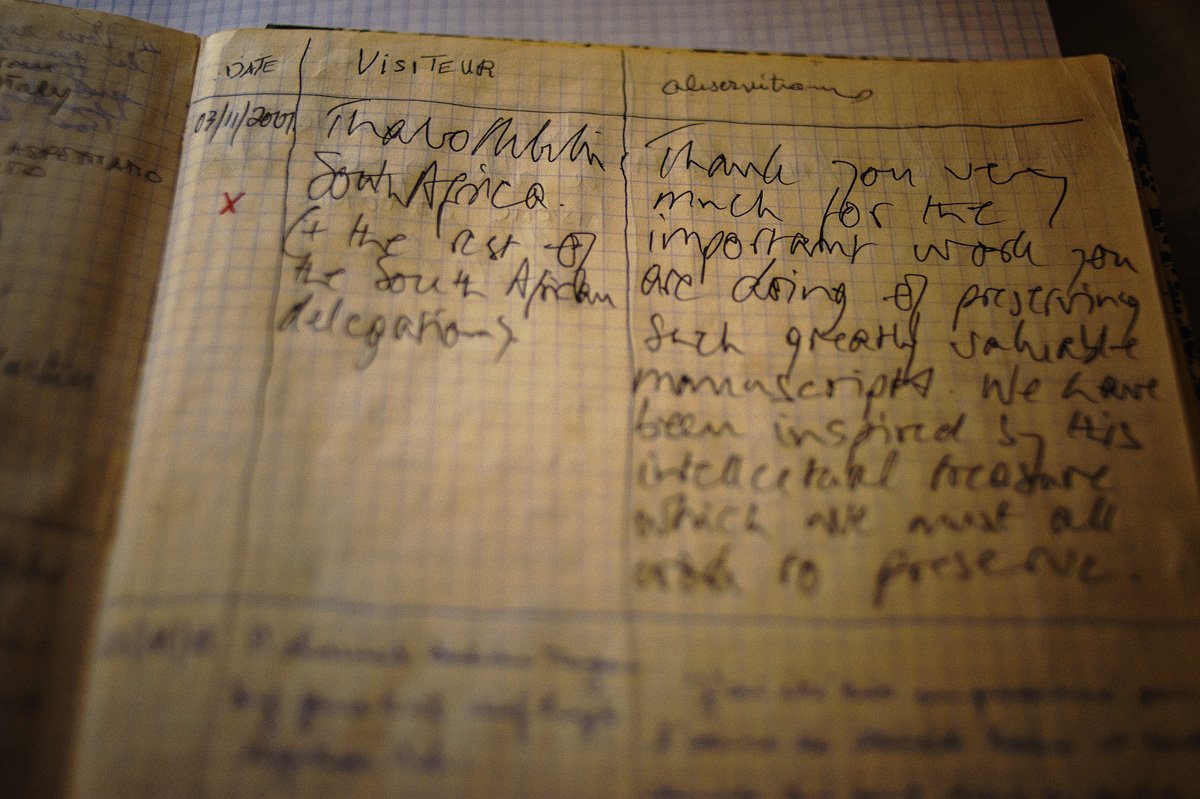
South African President Thabo Mbeki’s note in the Ahmed Baba Institute’s guest book: thanks for preserving the manuscripts. Timbuktu, 2001.
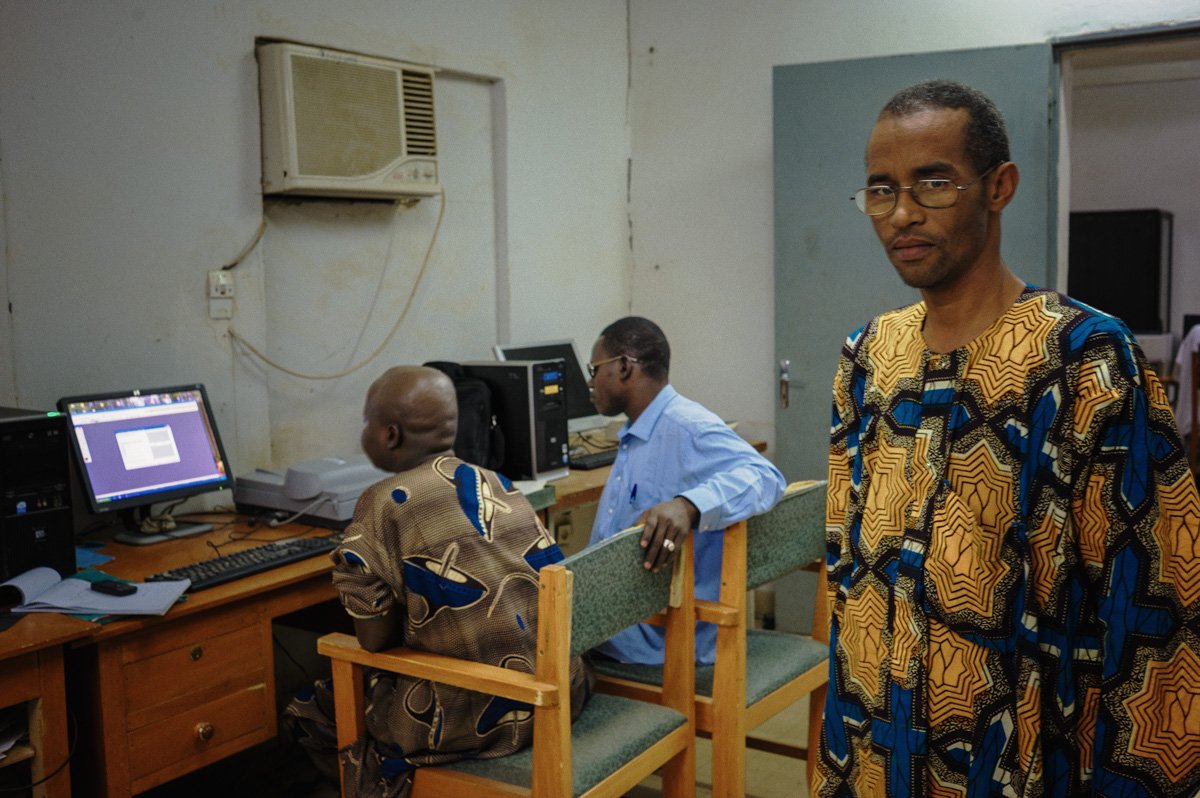
Staff of the Ahmed Baba Institute at work. Timbuktu, 2009.
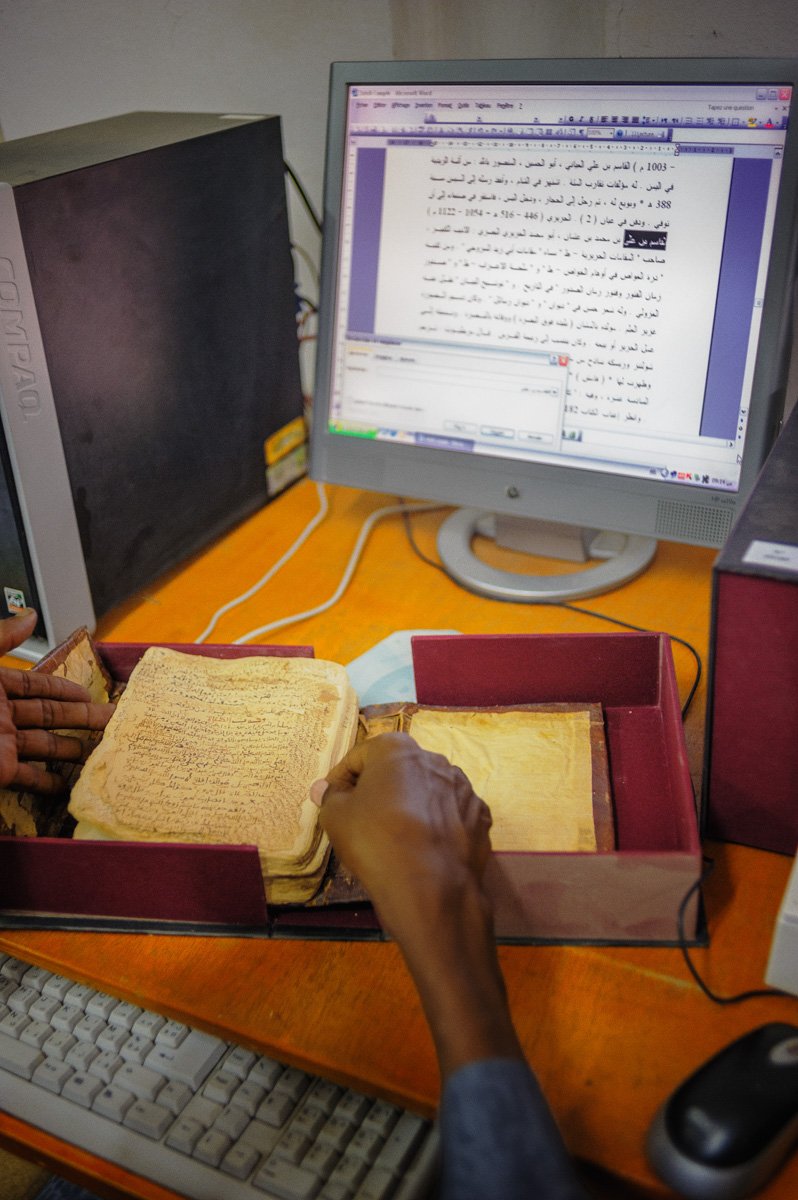
Old manuscripts being translated into English and French. Timbuktu, 2009.
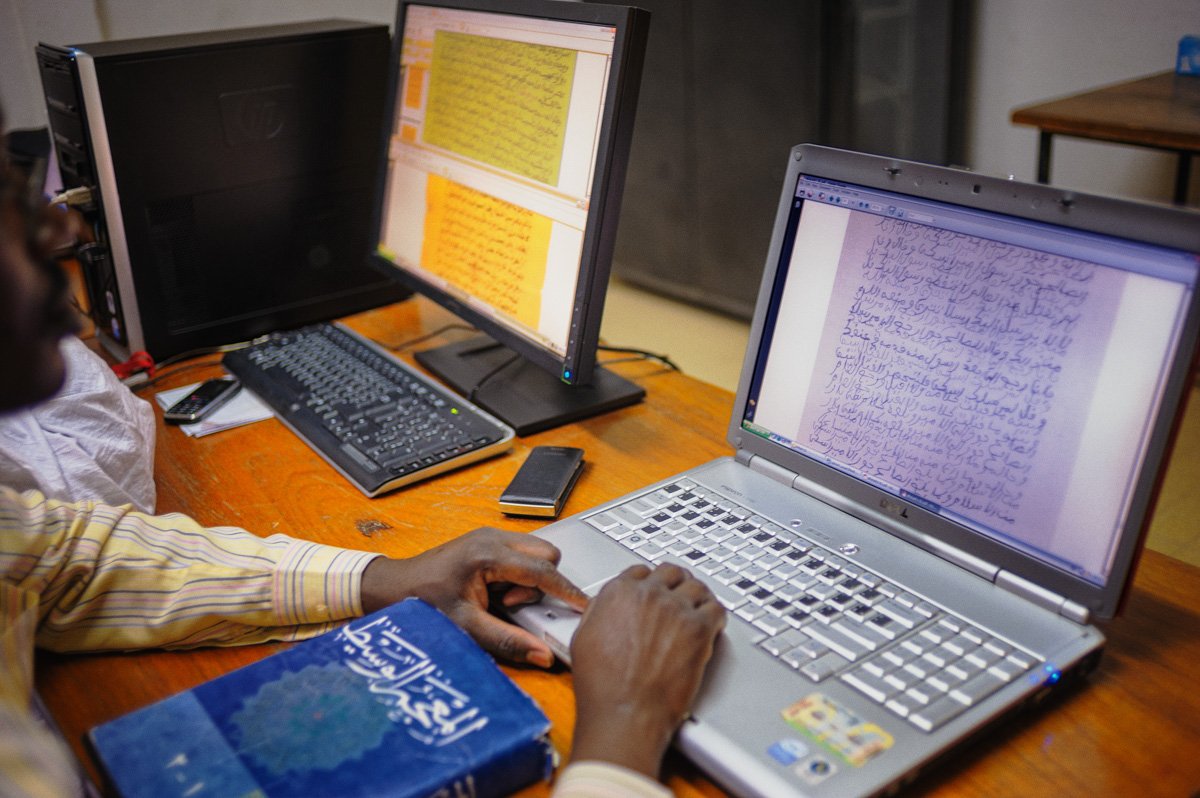
Scanning and preserving ancient manuscripts for the future. Timbuktu, 2009.
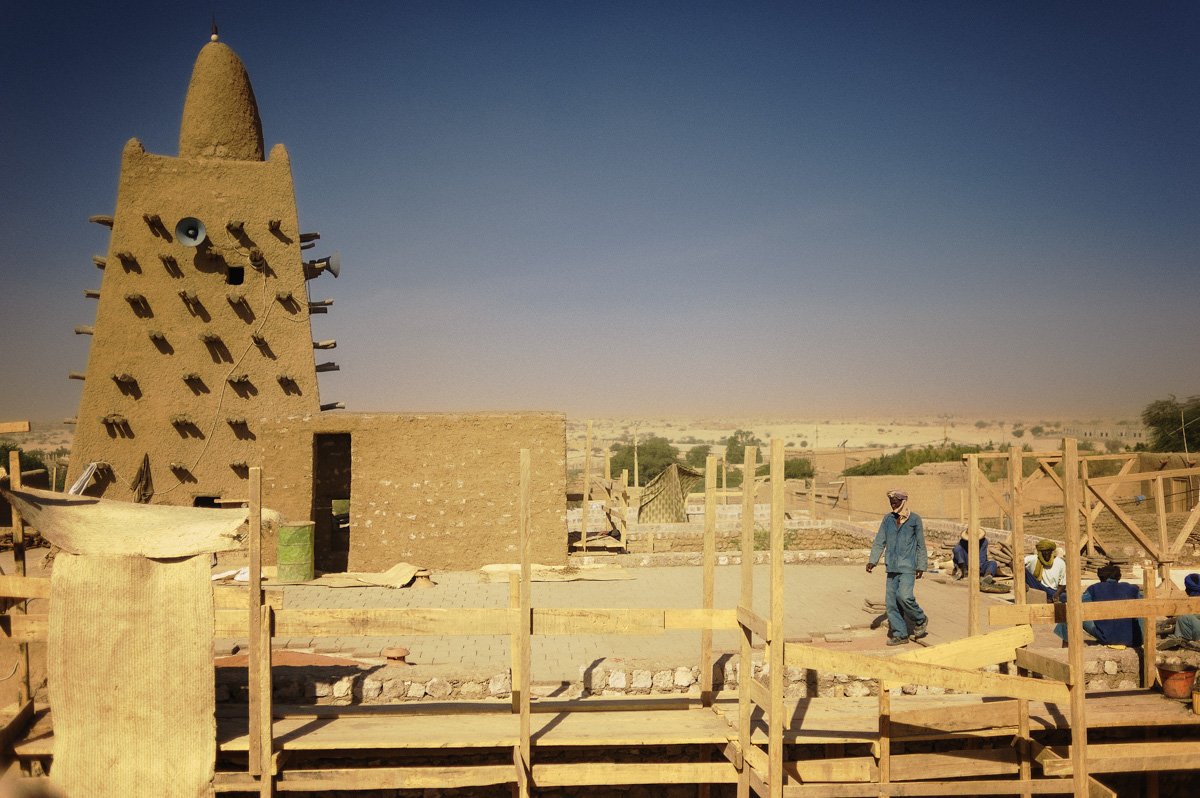
The Sankoré Mosque, once home to Timbuktu’s university. Timbuktu, 2009.
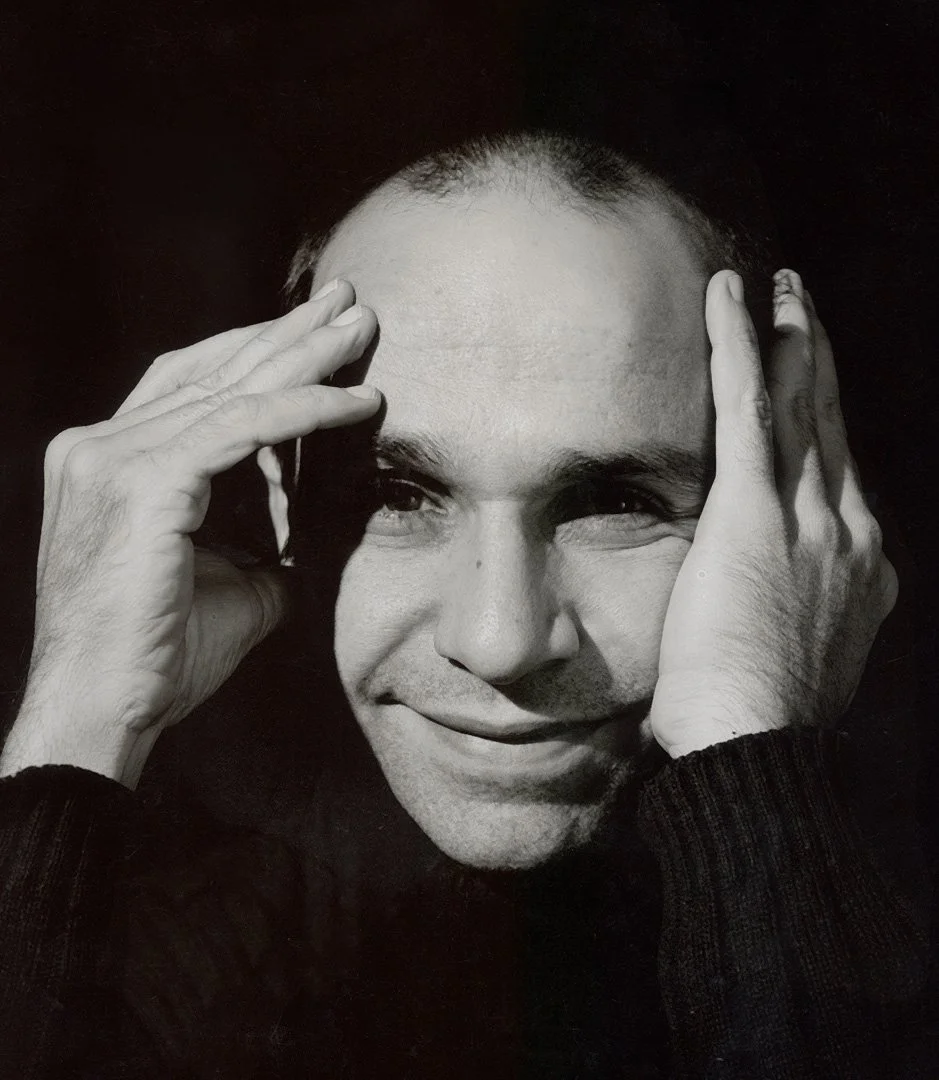
documentary photographer, working across Türkiye and abroad.
Have a story that needs a witness?
Tell me about it. You can decide later.